Meter Marks: N190-199
-

- N 191
| Type | Description | Earliest | Latest |
|---|---|---|---|
| N190 | |||
| N191 | VIVIAN & WATSON TOOLS HARDWARE BUILDING & MINING MATERIALS | 4 FEB 1961 | 4 FEB 1961 |
| N192 | |||
| N193 | |||
| N194 | |||
| N195 | |||
| N196 | |||
| N197 | |||
| N198 | |||
| N199 |

The Rhodesian Study Circle is a philatelic website for the areas of Rhodesia, Northern Rhodesia, Southern Rhodesia, British Central Africa and Nyasaland, Malawi, Zambia and Zimbabwe.
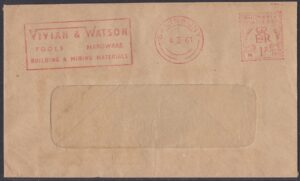
| Type | Description | Earliest | Latest |
|---|---|---|---|
| N190 | |||
| N191 | VIVIAN & WATSON TOOLS HARDWARE BUILDING & MINING MATERIALS | 4 FEB 1961 | 4 FEB 1961 |
| N192 | |||
| N193 | |||
| N194 | |||
| N195 | |||
| N196 | |||
| N197 | |||
| N198 | |||
| N199 |
In 1925, the Vanadium Corporation of America, together with other interests, investigated the chrome ore reserves in Rhodesia and through engineers and commercial representatives, obtained a substantial amount of ore. For the operation of these properties, the Rhodesian Vanadium Corp was formed in January 1926 in which Vanadium Corporation of America held a 50% interest. By May 1926 all the chrome ore for Vanadium Corporation of America was coming from Rhodesia.
In 1973 Anglo-American Corporation took over all the corporation’s mining activities.
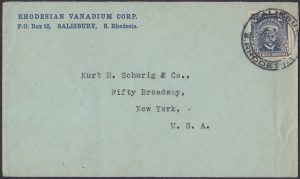
In 1944, Kurt Schurig (49 years old), was sentenced to Sing Sing for a term of eighteen months to five years in connection with thefts of $74,000 in securities from twenty customers.
Bulawayo
Hotel Cecil was located in Bulawayo and provided 39 rooms for accommodation.


During the 1920’s, the proprietor was W Scott-Rodger. Scott-Rodger had over forty years experience in catering and hotel service. For many of those years he operated in connection with the dining saloons of the railways, and was manger of prominent hotels in Southern Rhodesia including Victoria Falls Hotel, Grand Hotel (Bulawayo) and the Carlton Hotel. Scott-Rodgers made the cuisine the focus point of his hotels.


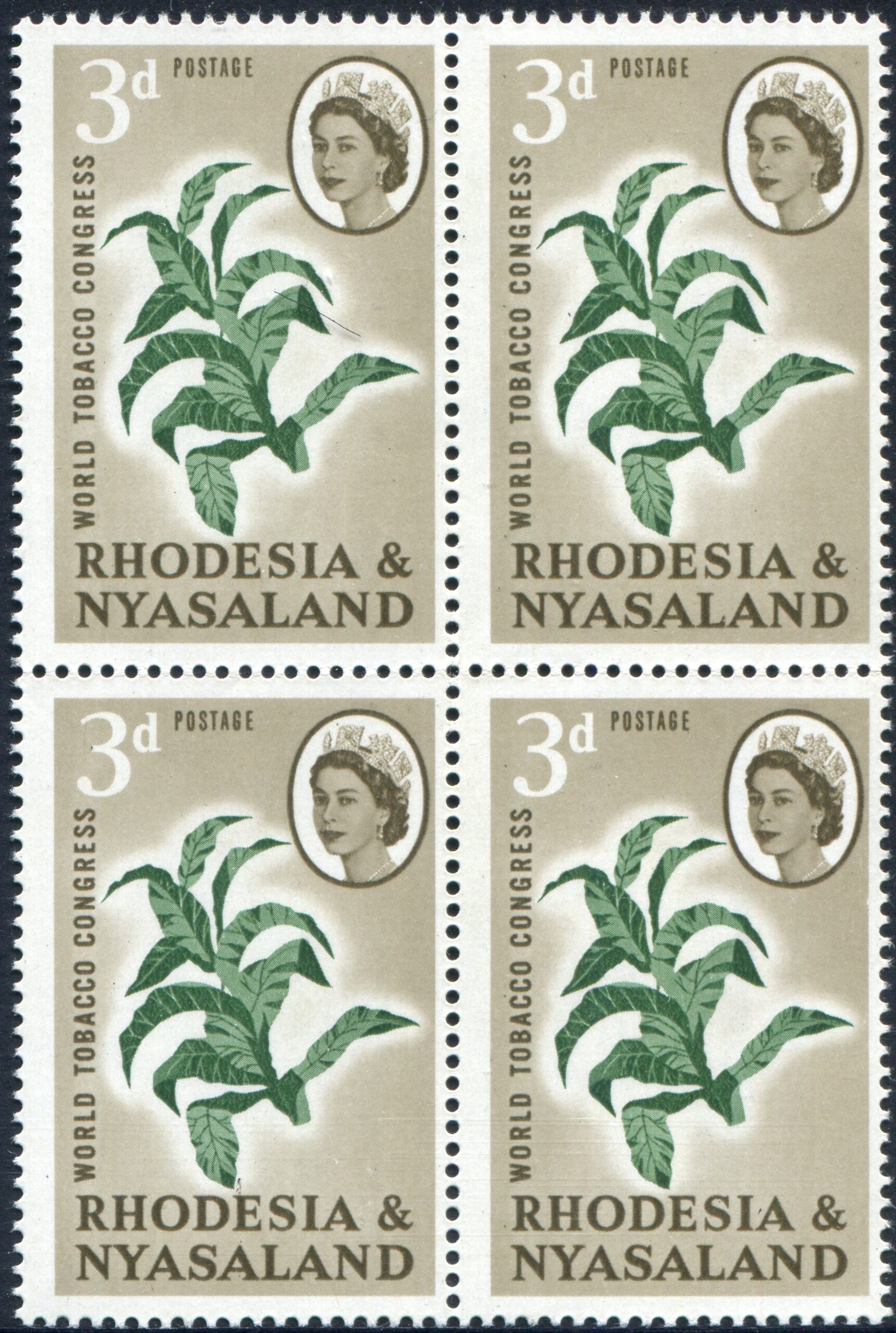

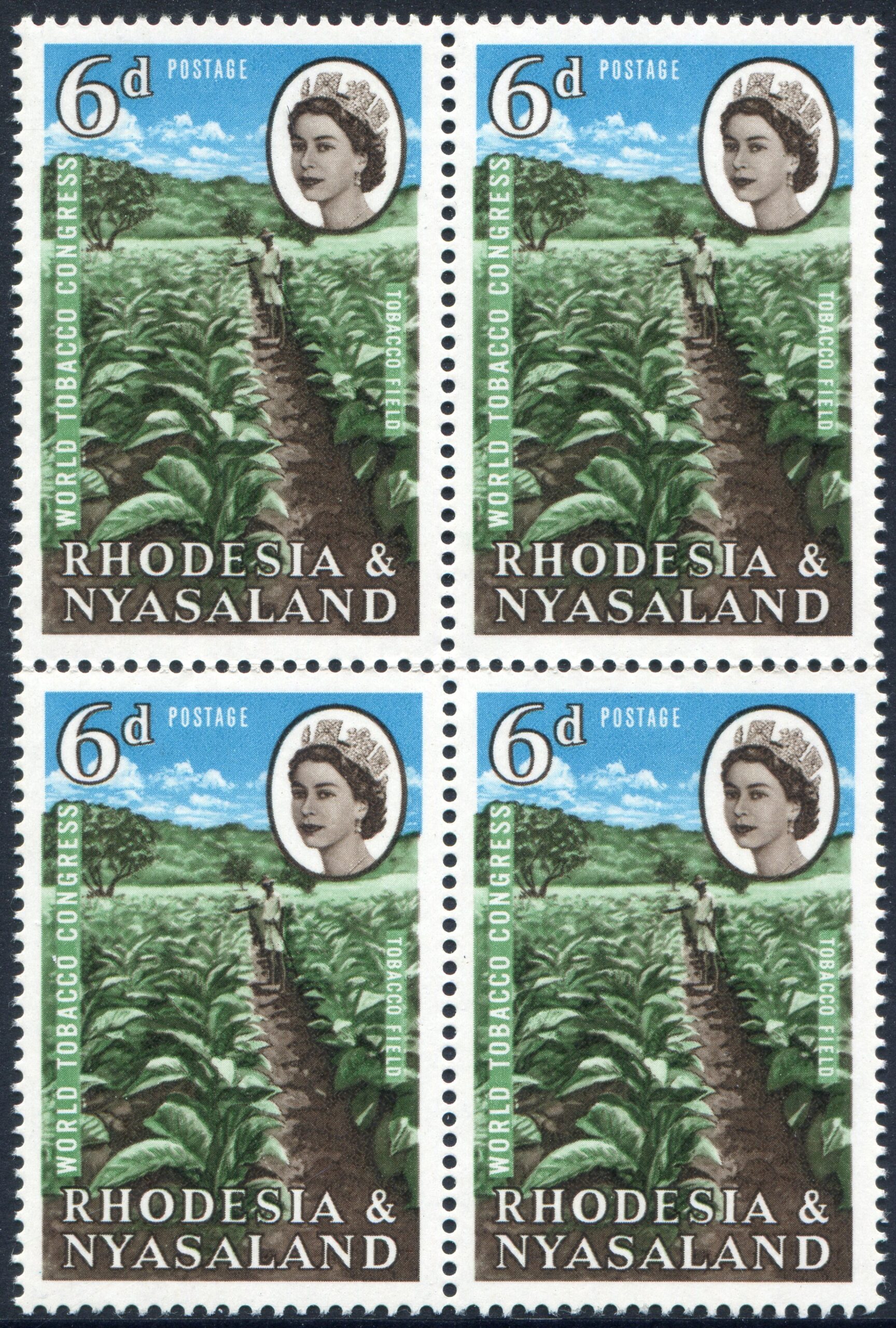
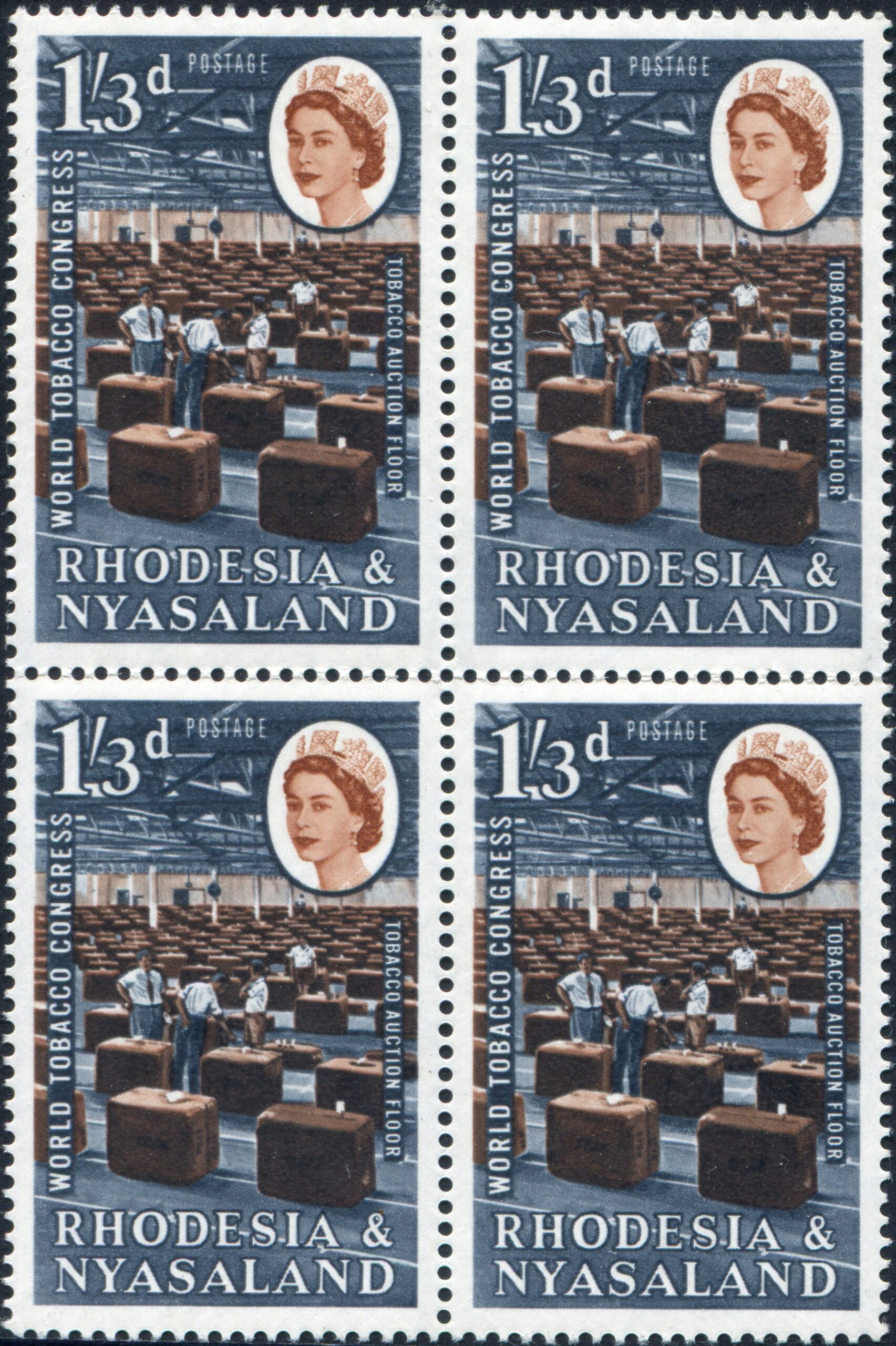
Following the completion of the Rhodesia and Zimbabwe Encyclopaedia, I was “persuaded”
to go further back and look at the issues during the reign of Queen Elizabeth II. My collection is almost entirely centred around the territory of Southern Rhodesia, and not to any great extent the other two territories. It was therefore logical that the issues of the Federation should be handled together collectively.
For many of the RSC members who were brought up in any of the three territories the first
stamps they would have seen on a regular basis would be those issued during the Federal
period. I can well recall the excitement that was generated when a new issue about to be
released. On one issue, in particular, was released on my tenth birthday!
There were only eleven issues of stamps (including two postage dues) during this period, with a further one planned, but never issued. Researching the issues during this period has been a challenge. Whilst there is a fair amount of published material for the 1954 definitive, this is not the case for the 1959 definitive. The Mashonaland Guide has been a useful source of material but here are gaps that have been identified.
Whilst I, personally, have a fairly extensive collection of the varieties found in all the issues, I had not built up a collection of imprints, cylinder blocks and other important information. I am therefore very reliant of being able to study material held in members collections. I know that the material as it is being released will have gaps and I would therefore be very grateful if members can provide additional this material.
I have had a significant amount of material provided already and am most grateful to the
following members that have assisted:
Pat Flanagan, Keith Harrop, Adrian de Bourbon, Jamie Smith, Christopher Cooksey, Phil Clarke, Dave Trathen, Dave Cooper, Andrew Wilson, James Gavin, Mark Thomas, Jefferson Ritson.
I, also, thank Sean Burke who downloaded this material on to the RSC website.
Please peruse the files and feedback comments, criticisms and, more specifically, more
information and additional material. This has been a big project but one that goes to the heart of the Study Circle’s aims and objectives. Please contact me by email at
geoff.brakspear@btopenworld.com.
Many thanks
Geoff Brakspear
August, 2026
Que Que
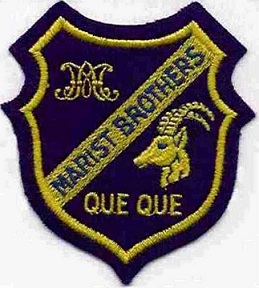
The Marist Brothers College in Que Que was a college with boarding facilities. In January 1963, the college opened to all races.
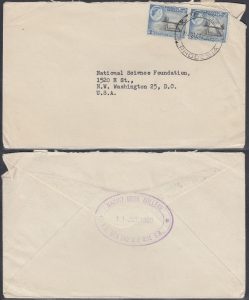
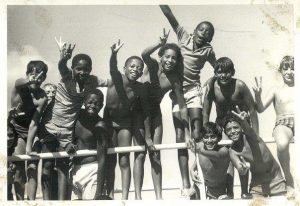
Marist Brothers
The Marist Brothers (Marist Brothers of the Schools) is an international religious community of more than 4,000 Roman Catholic Brothers dedicated to the education of young people, especially those most neglected. The order was founded in 1817 by Saint Marcellin Champagnat, a young French priest as a way of combating illiteracy and spiritual poverty in post-revolutionary France.
The Marist Brothers arrived in Southern Rhodesia (Zimbabwe) in 1939 at the request of Bishop A. Chichester S.J to assume responsibility for education at Kutama Mission. In addition to Kutama, the Marist also presently operate Nyanga High School, Marist Brothers (Marist Nyanga), in Nyanga District, Manicaland and Marist Brothers Secondary School, Dete (Marist Dete) in the Hwange District, Matabeleland North.
Today, the Marist Brothers are involved in educational work throughout the world. They run primary and secondary schools, academies, orphanages and retreat house in 81 countries, including in Africa.
Kutama Mission
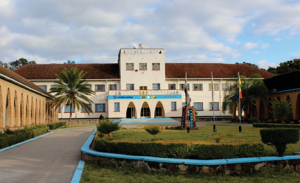
Jesuit Jean-Baptiste (John) Loubiere, with his assistant Joseph Dambaza, are credited with the founding of Kutama Mission, located near Norton, approximately 80 km southwest of Salisbury (Harare). Father Loubiere named it Kutama after his first convert the chief.
The mission began as an outstation of Chishawasha Mission. Cassiano Ushewokunze, who was trained at Chishawasha, was posted as the first teacher-catechist at Kutama in 1913. Fr Loubiere became the first resident priest in September 1914 (the date generally given as the mission’s founding date) and through his efforts, Kutama became a fully-fledged mission independent of Chishawasha.
Fr. Loubiere’s initial focus was on evangelism, but realizing that educational development was needed as well, he began primary education. By 1926, the Jesuits had established a two-year Teacher Training course for primary school teachers, which would become St. Francis Xavier (Kutama) College. After the death of Fr. Loubiere in 1930, Father Jerome O’Hea arrived in 1931 to become the school’s headmaster.
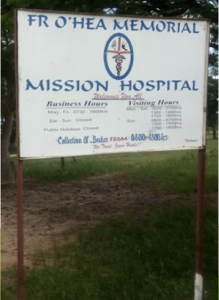
Fr. O’Hea established a hospital on the mission site using his family’s resources after a request for government funding was turned down. The hospital was later named Fr O’Hea Memorial Mission Hospital (Kutama Hospital) in his honor.
The Jesuit were challenged to both perform pastoral work and run the school, so in 1939 Bishop A. Chichester S.J invited the Marist Brothers to come to Kutama and assume responsibility for education. Under their leadership, Kutama was one of the first missions in Southern Rhodesia to offer secondary (high school) education to Africans.
President Mugabe was born in the village of Kutama and educated at Kutama College.
Bulawayo

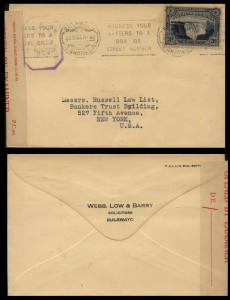
In 1897 Rhodesia Railways asked one of Cape Town’s top lawyers Mr Webb to come to Bulawayo to open Bulawayo’s first legal firm. Webb quickly established a firm which provided top quality legal services to the fledgling colony.
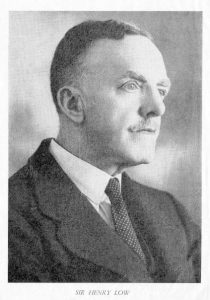
Webb soon invited Henry Low, another lawyer practicing in South Africa, to join him. Henry Low was later knighted for his services to Bulawayo and lends his name to the Henry Low primary school in Bulawayo. Michael Barry, the firm’s third named partner, joined the firm in 1922 creating Webb, Low & Barry.
In 1983 Bob Cole became senior partner on Michael Barry’s retirement and the following year David Coltart, the current senior partner became a partner. Norman Pattison became a partner in 1985, with Josephat Tshuma becoming a partner in 1989. David Coltart became senior partner in 1998 when Bob Cole retired.
The firm prevailed through the harsh economic climate and hyperinflation in Zimbabwe from 2000 to 2008. In 2006, Webb, Low & Barry took over and incorporated another old Bulawayo firm, Ben Baron and Partners. The firm migrated to larger premises in 2008 in the Belmont suburb of Bulawayo.
Since dollarization in 2009, the firm has continued to grow and expand its client base both within Zimbabwe and internationally. Webb, Low & Barry is a full service law firm with a dedicated team of lawyers that practice in all areas of Zimbabwean law.
Mtoko Mission
Mtoko (Mutoko) Mission, located approximately 65 km north of Mrewa (Murewa) in Mashonaland East Province, was founded by Dr. Samuel Gurney of the Methodist Episcopal Church (MEC) in 1911. The Mutoko area had a large population and Dr. Gurney saw it “as a way to move on from there toward Nyanga” and “as a final link that would connect Methodist work in the Mutasa area.”
The British South Africa Company granted MEC an old police camp containing several brick buildings from which the missionary work could begin. Dr. Gurney, then residing at Mrewa Mission, was appointed head of the Mrewa-Mtoko (Murehwa-Mutoko) Circuit, while African evangelist James Apiri was stationed at Mtoko itself.
For the first several years, the Mtoko Mission suffered from the lack a resident missionary. Eddy H. Greeley and his wife were appointed to Mtoko in 1916-17, but were transferred after only six months to Old Umtali Mission. Another missionary was appointed in 1919, but again his stay lasted for only six months. Dr. Gurney managed the mission from his base at Mrewa while juggling his other duties. He wrote in a report to the Methodist Rhodesia Mission Conference in 1919 that in most “respects this Mtoko child of our mission family seems to have suffered from arrested development.” With my time fully occupied and living forty miles distant, “the poor little Mtoko mission received much more of absent treatment than was good for it.”
Nonetheless, with the help of African evangelists (pastor-teachers), and later missionaries, including Wilfred Bourgaize (beginning 1921 – still in the field as of 1954), the mission prevailed. As of 1924, a new church building had been built and there was a small primary boarding school consisting of six boys. By 1944, the Boy’s Boarding school had increased to nearly 100 students.
Today, under the control of the United Methodist Church in Zimbabwe, Mtoko (Mutoko) consists of the Mutoko Central Primary School, Mutoko Methodist Center/church, and it serves as the base of the Mutoko/Nyadire District.