Postcards: Editions de Luxe Estel (Type I)

No.sDescriptionEarliest PMK Date
1
2
3
4
5
6
7
8
9
10
11
12
13
14
15
16
17
18Les Burges du Zambeze
19Les Massif des Matopos...
20Case Typique pres des Bulawayo
21
22Ruines de Zimbabwe...
23Victoria Falls - Chute du Zambeze
24
25Porte du Village...
26Pres du Livingstone
27Pres du Livingstone - Grenier
28Danse de Guerriers...
29Pres du Livingstone - Danse Makishi

Postcards: Art Publishers (Pty) Ltd – Type IVD

Details
  • Publisher: Art Publishers (Pty.) Ltd., 265 Umbilo Road, Durban.
  • Distributor: 
  • Printer:
  • Process:
  • Photographer:
  • Year: 
  • Series: Type IVD
No.sDescriptionEarliest PMK Date
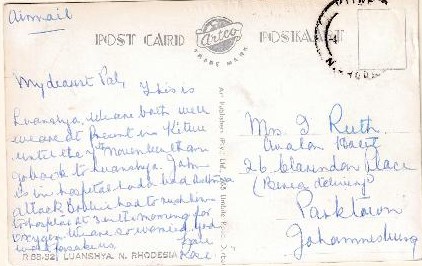
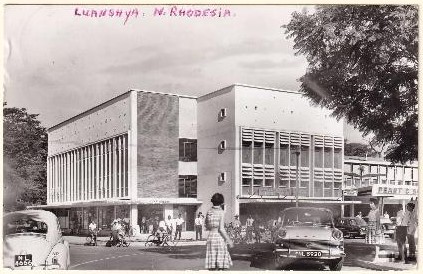
R88-92Luanshya, N.Rhodesia

Expeditionary Force – Specialists in History Tours of Africa

The Expeditionary Force – Specialists in History Tours of Africa

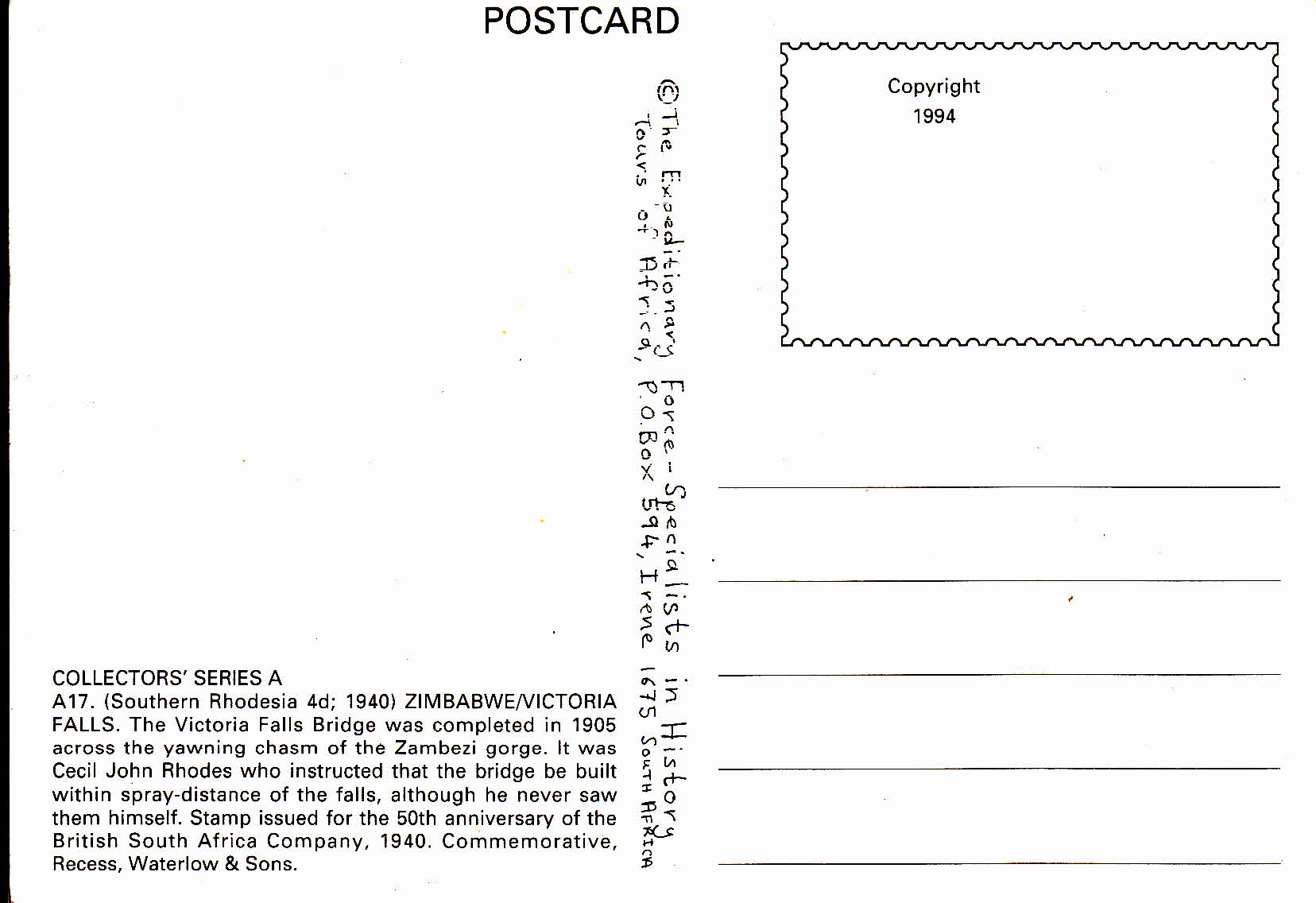
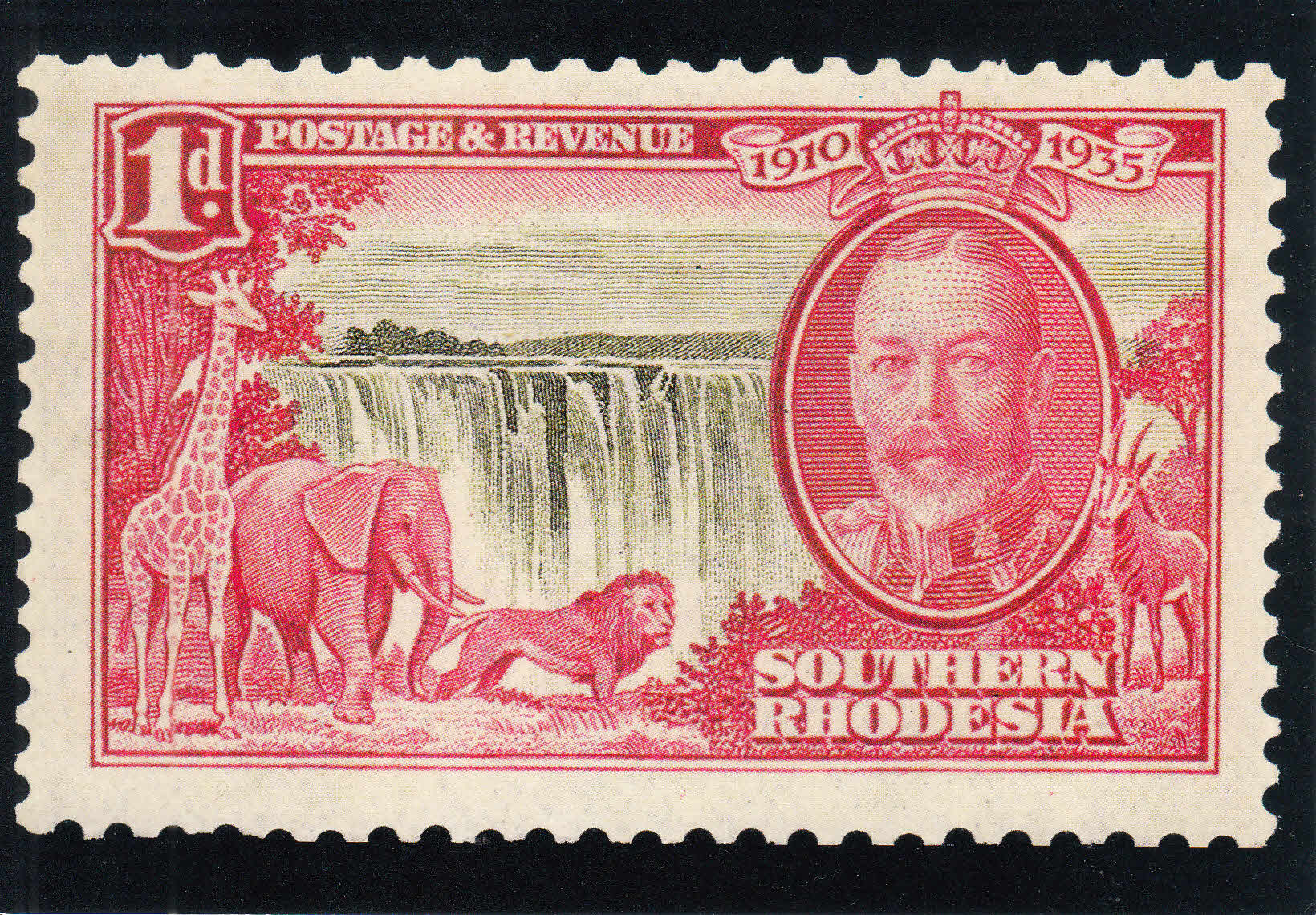
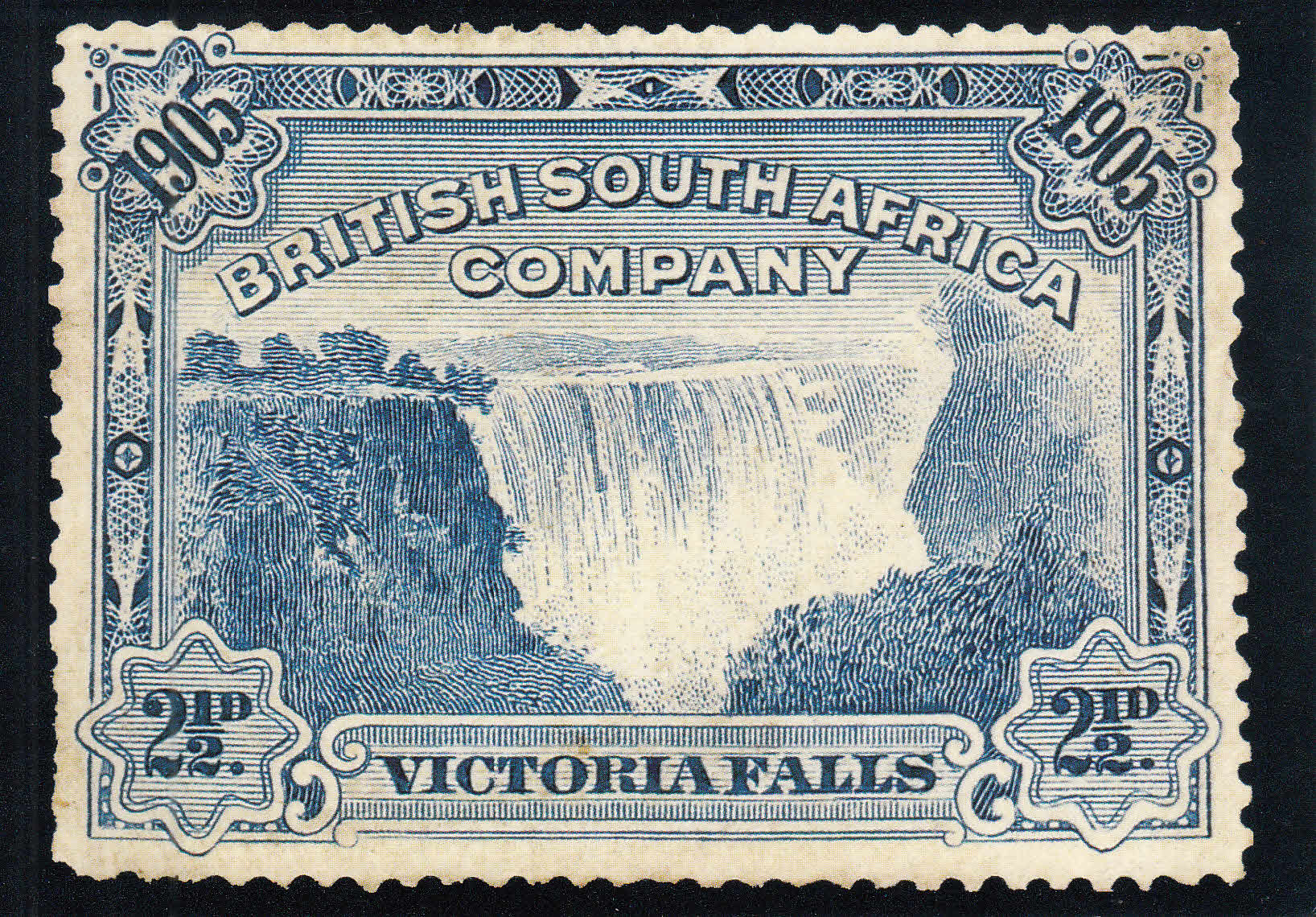
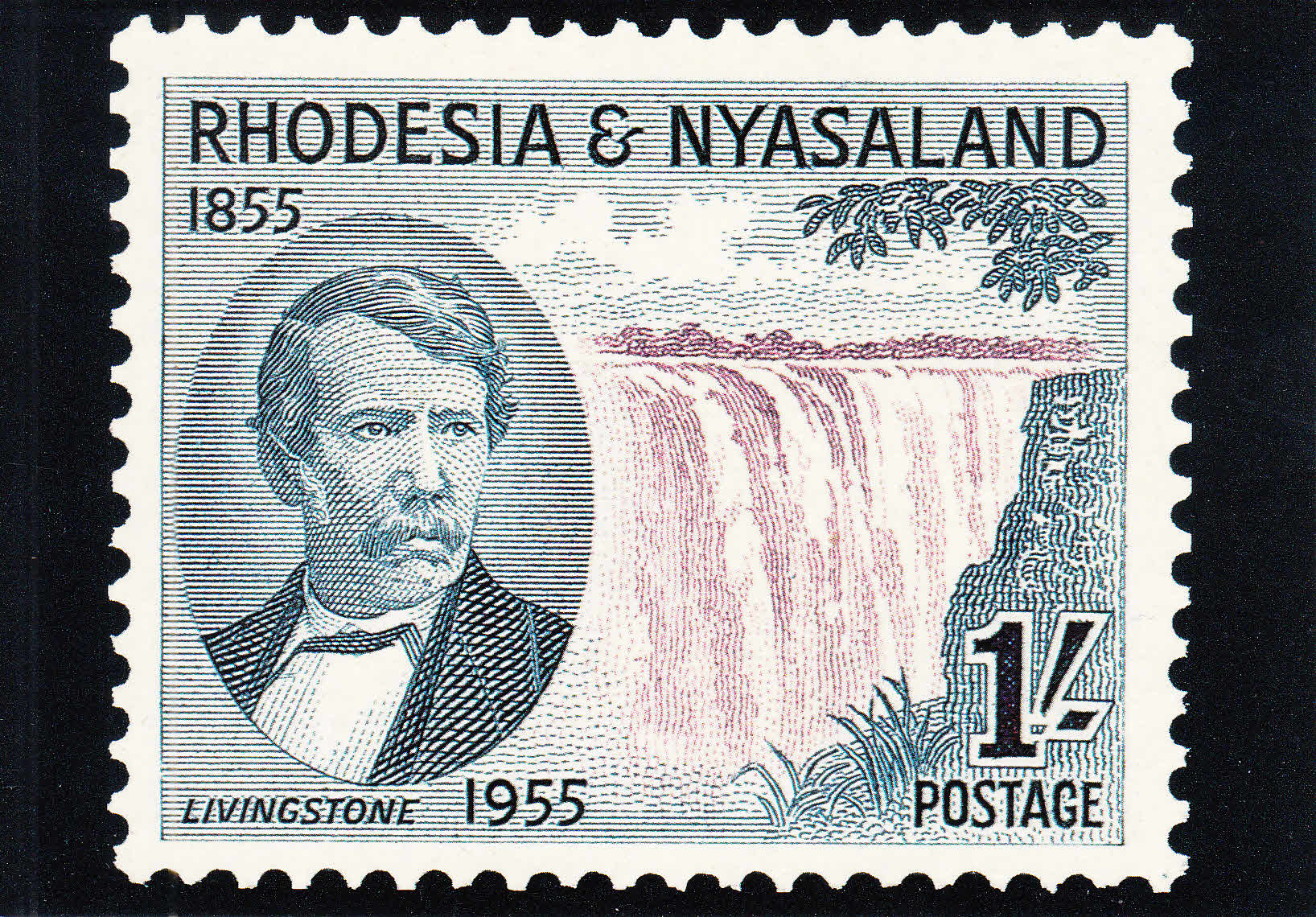
They seem to have published a number of postcards depicting stamps on a black background – so far we have only come across stamps from the BSAC period, Northern and Southern Rhodesia and the Federation. The rear of these cards suggests that they were published in 1994. The address given is: P.O. Box 594, Irene 1675, South Africa. At present not known used.

Postcards:


Contributor:

Keith Brodovcky

Meter Marks: N150-159

TypeDescriptionEarliestLatest
N150
N15100 XXX 195600 XXX 1956
N152
N153
N154
N155
N156
N157
N158
N159

Churches of Christ: Namwianga Mission

Churches of Christ

Namwianga Mission

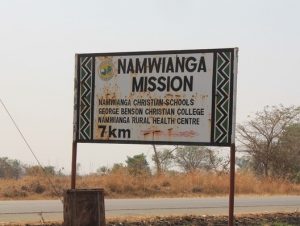
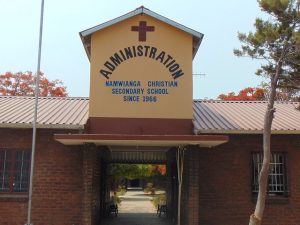
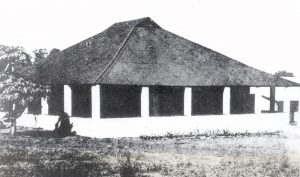
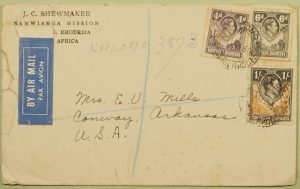
Namwianga Mission was founded near Kaloma, Northern Rhodesia (Zambia) by Churches of Christ missionaries Dow and Helen (Alice) Merritt in 1932 (the Merritt’s first arrived in 1926). Encompassing 6,000 acres, the mission originally consisted of three separate farms that were consolidated during the 1940s and 1950s.

The mission began primary schools in the 1930s to promote the Christian faith and to teach students to read the Bible. In the 1960s, Dr. George Benson, along with Dow Merritt, raised enough money to build a high school, currently the Namwianga Christian Secondary School. In the early 1990s, Namwianga Mission partnered with the University of Zambia to establish George Benson Christian College (named in Dr. Benson’s honor), which is a three-year college that trains students to teach at the secondary level.

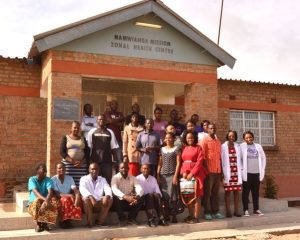
Other facilities include the Namwianga Mission Hospital (formerly Namwianga Zonal Health Center) treating more than 10,000 patients per year, farm, radio station, and “The Haven” in-home orphan care. The orphanage operates four homes that support infants, toddlers, children with special needs and the fourth home, named “Eric’s House, for older boys.

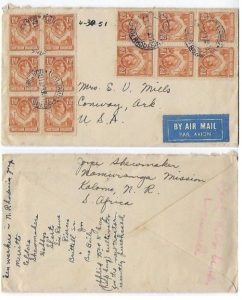
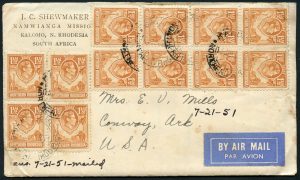
In addition to the Merritt’s, early missionaries at Namwianga include Mrs. Ray Lawyer, Mr. and Mrs. J. C. Shewmaker, Mr. and Mrs. Alvin Hobby, Myrtle Rowe, and Alva and Margaret Rees. Dow Merritt’s son, Roy, together with his wife Kathi, returned to Namwianga Mission sometime in 1968-69 to teach at the high school and have continued to serve at the mission over many years.

Namwianga Mission is currently operated by Zambia Christian College, which goes by the name Zambia Mission Fund. The mission has been supported as a “permanently funded work” of the Prescott Church of Christ church in Texas, since 2006.

Facilities

  • George Benson Christian College
  • Namwianga Christian Secondary School
  • Namwianga Mission Hospital
  • The Haven In-Home Orphan Care

References

Contributors
  • Mark Loomis

FB

Roman Catholic Church: Archdiocese of Lusaka

Roman Catholic Church

Archdiocese of Lusaka

The Vicariate Apostolic of Lusaka was elevated to an archdiocese on 25 April 1959. The first Archbishop was Adam Kozłowiecki (1911-2007) of the Society of Jesus.

References

FB

Livingstone Museum

Livingstone Museum

Livingstone

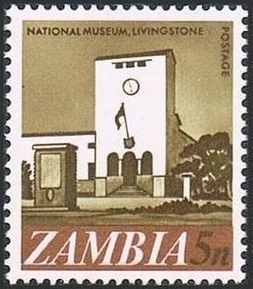
The Livingstone Museum is the largest and the oldest museum in Zambia, established in the 1934 as the David Livingstone Memorial Museum and was located in the old Magistrate’s Court building.

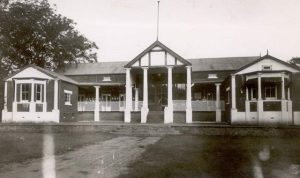
In 1937 it moved to the United Services Club building. In 1939, The Rhodes-Livingstone Institute was started and incorporated with the David Livingstone Memorial Museum. In 1939 the collection was expanded to include relics of Cecil Rhodes and the British South African Company. In 1946, the Museum and the Institute were separated and the Museum’s name changed to the ‘Rhodes-Livingstone Museum’.

In 1945, fund-raising for a Museum building started. Work on the building started in 1949 and was completed in 1950. It was designed by Major W J Roberts in Spanish style. Jock Millar, former mayor of Livingstone, requested that Harry Susman donate a ‘four-faced’ tower clock to the museum, but before it was unveiled in the museum, Susman died. The museum was officially opened in 1951.

In 1956 the museum was a trustee, along with National Monuments Commission of Northern Rhodesia (later the National Museums Board) and the Wenner-Gren Foundation, of the excavation of the Kalambo Falls Prehistoric Site.

In 1960 the museum recreated villages from five ethnic groups to give visitors a sense of traditional tribal life and to present the “way of life during the bronze and iron age.” In 1963 a research wing was added to the museum building to provide workspace and storage rooms for Archaeology, Ethnography and History. In 1966 a Natural History Wing was added. The name of the Museum changed from the Rhodes-Livingstone Museum to its present name of the Livingstone Museum in 1966.

The museum started publishing Occasional Papers from 1948 but published the 16 papers in 1967 as a new series titled Zambian Museum Papers, based on extensive research of Zambia’s prehistory, history, ethnography and natural history. These papers were authored by specialists in each field. The papers provide substantial information on each of the large number of exhibits systematically displayed in the museum with labels.

In 2003 the buildings were renovated with funds from the European Union. Over the years, the museum has been a trustee of numerous archaeological expeditions in Zambia.  In 2005, a statue of David Livingstone was erected in front of the museum in memory as was a statue of Emil Holub, a noted Czech doctor, explorer, cartographer, and ethnographer who made the first map of the Victoria Falls region.

The museum is laid out in five galleries namely, the Archaeology gallery, the Ethnographic gallery, the History gallery, the Art gallery and Livingstone gallery.

Postcards

References

1948 – Migrant Labour Act

1948 – Migrant Labour Act

The 1948 Migrant Labour Act entrenched agreements between Southern Rhodesia, Northern Rhodesia and Nyasaland that dated back as early as 1947. The original agreement was to included South Africa but they later withdrew from the scheme.

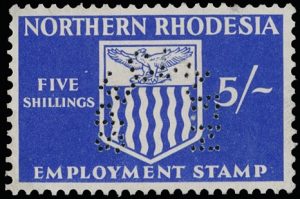
The Act allowed employers to withhold part of the wages due to migrant employees. The sums withheld were used to buy Wage Stamps ( also know as employment stamps) that were then affixed to workbooks. The stamps were valued at five shillings and were available at various convenient centres or Post Offices to be purchased by employers. By 1953, 23,190 a month had been issued to Nyasaland workers, and 6,708 a month to Northern Rhodesia workers.

Part of the value purchased was then remitted to the employee upon returning home, or to their families. The employee would detach a remittance sheet and either themselves or their families could present this sheet to the Native Commissioner who would pay the value of the sheet after the employee had worked four months in Southern Rhodesia.

Although popular in Southern Rhodesia & Nyasaland, the scheme was unpopular in Northern Rhodesia with both employers and workers. In 1960 the Act was duly repealed as Southern Rhodesia was in an over-supply of labour.

Wage Stamps

Workbooks

References
  • The Balance of Payments of Rhodesia and Nyasaland, 1945-1954 – Alexander George Irvine
  • The Statute Law of Southern Rhodesia 1950
  • Labour Export Policy in the Development of Southern Africa – Bill Paton

Presentation: Wage Stamp (NR)

Northern Rhodesia

Wage Stamp (NR)

1 2 3 37